Introduction to N.C. Ginger Research
Ginger (Zingiber officinale Rosc.) is one of the most important spices and food additives. In the United States, ginger is primarily produced in Hawaii (Hawaii Ag. Statistics Services, 2008). However, Hawaii can only meet 20% of the overall demand, so the remaining 80% comes from imports. The U.S. ginger market value was approximately $911 million in 2020, and the U.S. remains a top importer. In 2018, the U.S. imported 89,000 tons of fresh ginger for about $125 million, an 11% increase from 2017. From 2007 to 2018, there was an increase in the annual import price of more than 5.1% (Aleksandra, 2019; Global Ginger Market, 2019 and 2020). Because demand for ginger significantly exceeded its domestic supply, these market forces became a significant driving force for exploring production of more ginger outside Hawaii and created an excellent niche market opportunity for other states, including North Carolina.
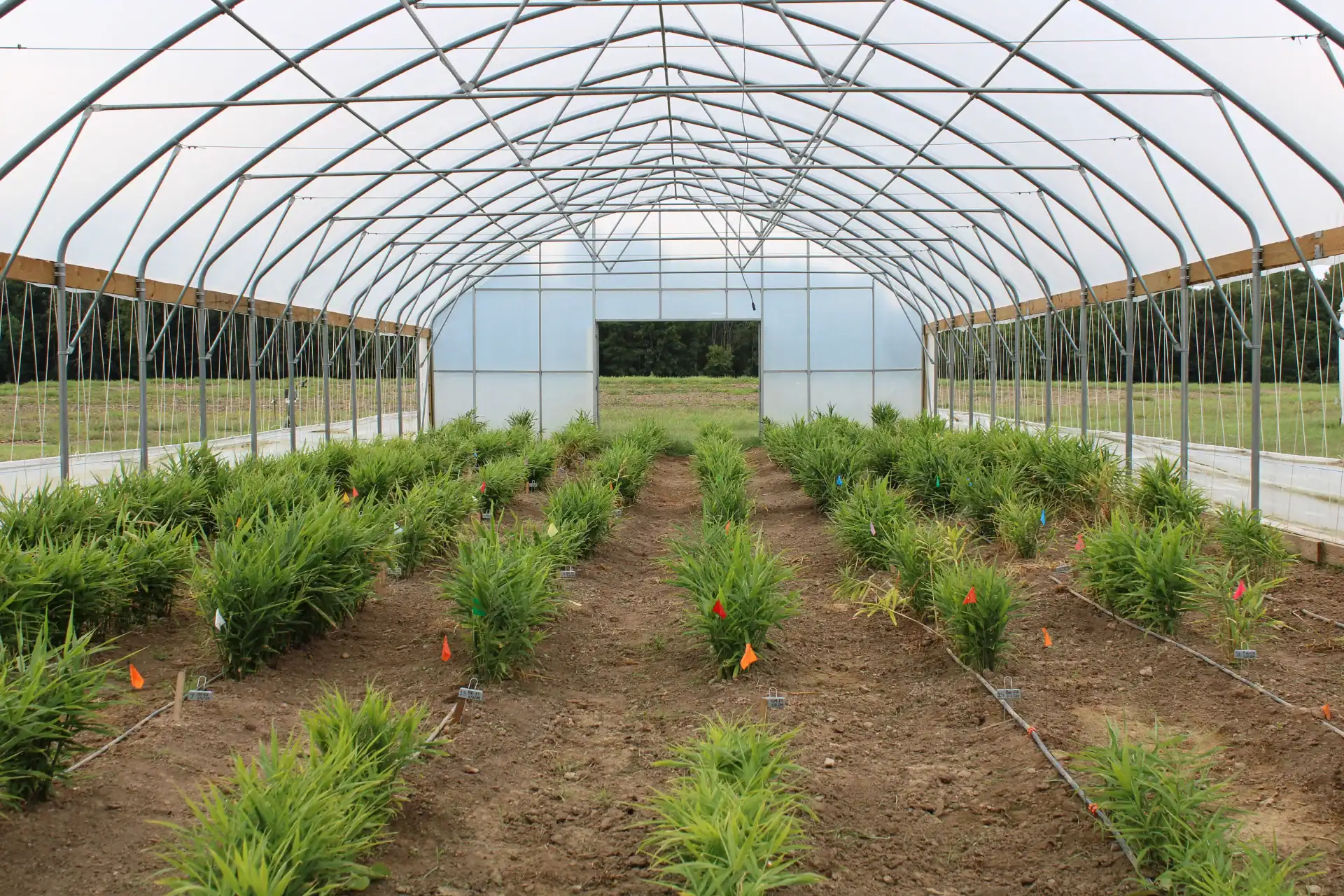
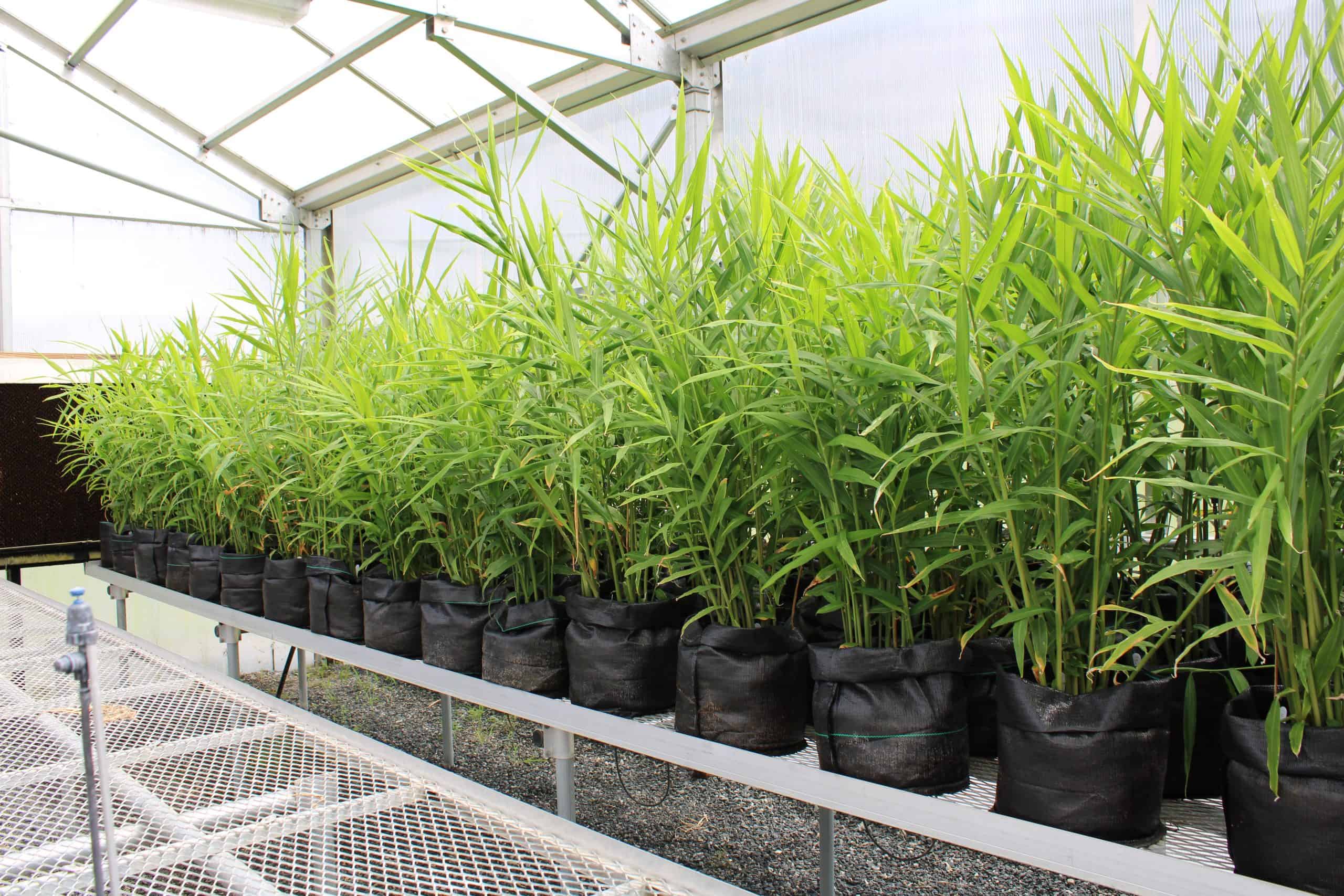
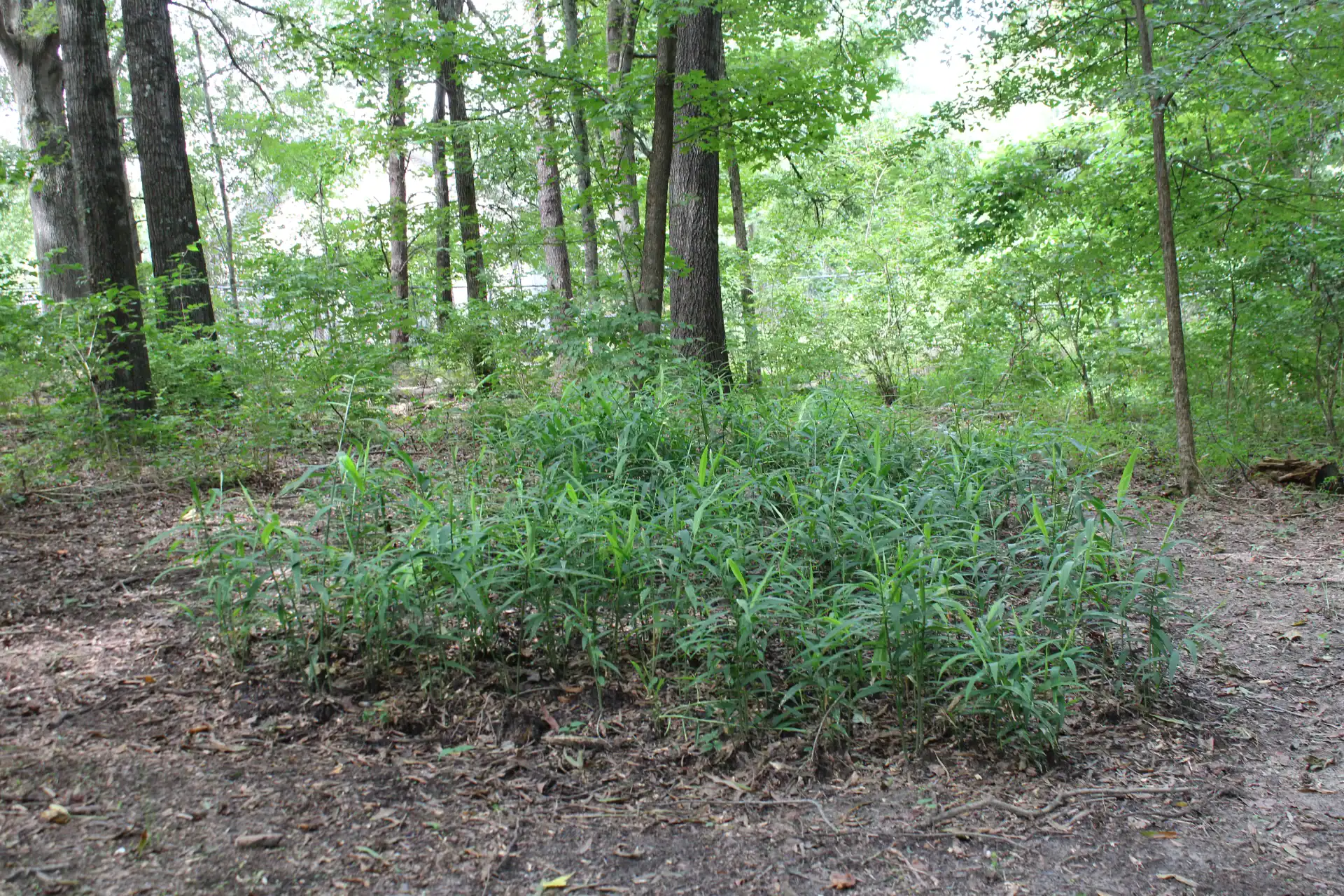
The findings from our production research and the experience of our collaborating stakeholders demonstrated that ginger can grow in various climate conditions, from the western mountains to the eastern coastal plains of North Carolina. Ginger can be produced successfully in many settings, such as in greenhouses, high tunnels, low tunnels, hoop houses, open fields, and natural wooded areas (Figure 1). Ginger plants can grow directly in the soil or in growing pots, bags, or raised beds. Season extension techniques such as high and low tunnels and hoop houses can significantly extend the ginger growing season by 1 to 3 months from early spring to late fall or early winter, thus allowing the production of mature ginger. Usually, a high tunnel with curtains and doors or gates fully closed can increase the inside air temperature by about 10°F or more. If a low tunnel or hoop house is combined inside a high tunnel, the temperature can increase even higher, allowing the ginger to have a much longer growth time.
Adaptable Growing Environments
Select a setup below to explore how ginger thrives across different structures and microclimates in North Carolina.
Ginger plants can be produced inside a greenhouse using container systems such as grow bags or pots placed on raised benches
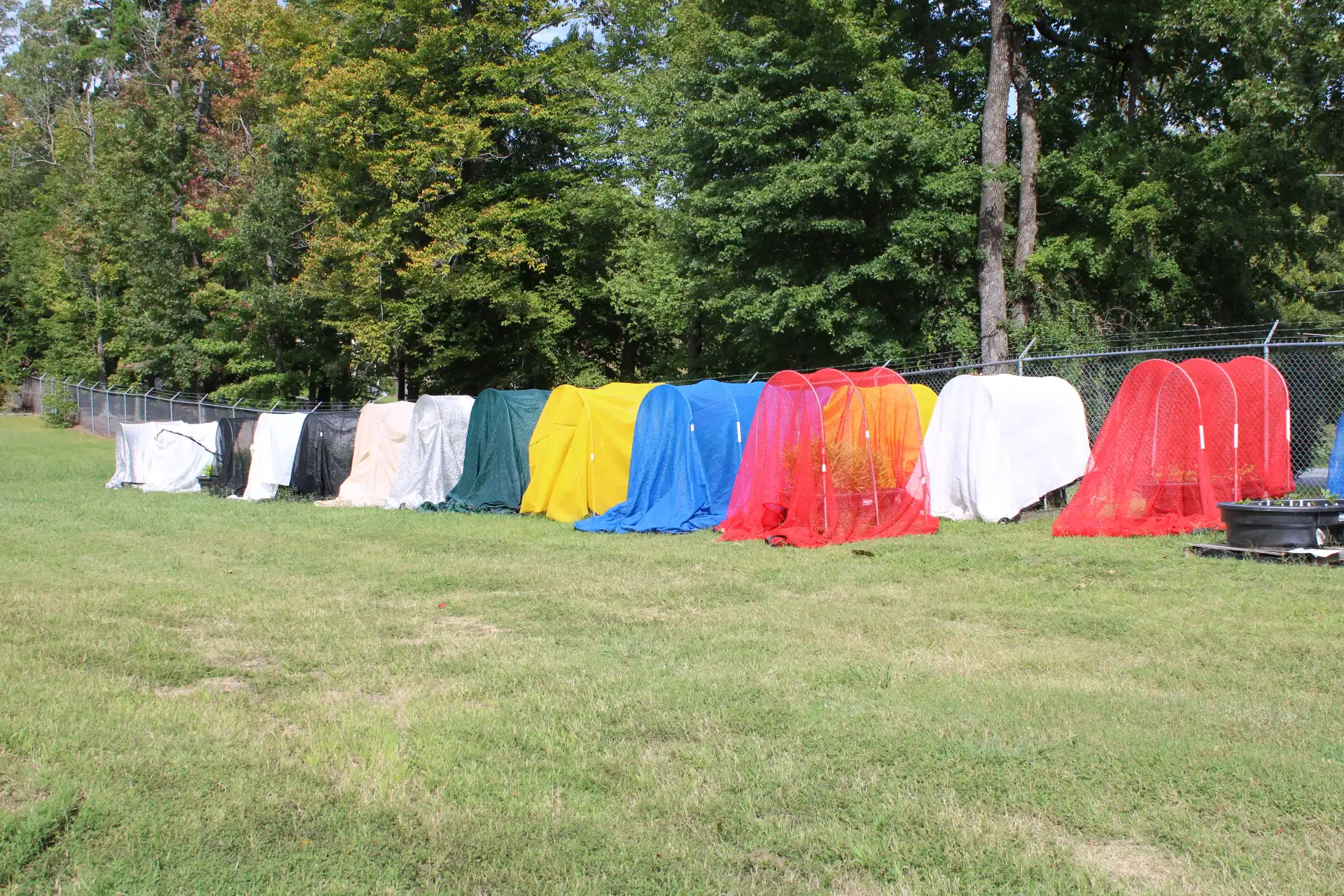
Ginger is traditionally considered a shade-tolerant crop that responds well to light management
Ginger can be successfully grown directly in the soil within natural wooded environments
High tunnels offer powerful season extension benefits, extending the North Carolina growing season by 1 to 3 months from early spring to late fall or early winter